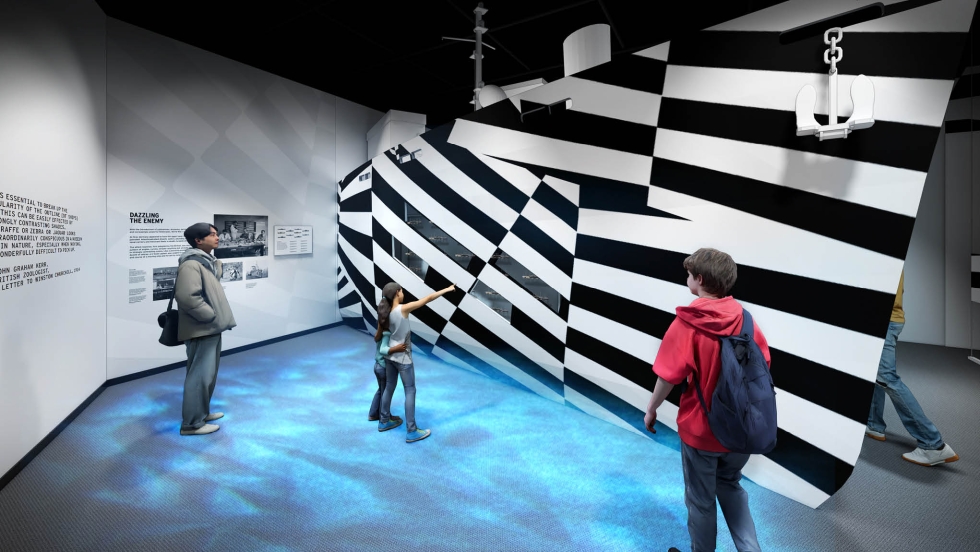
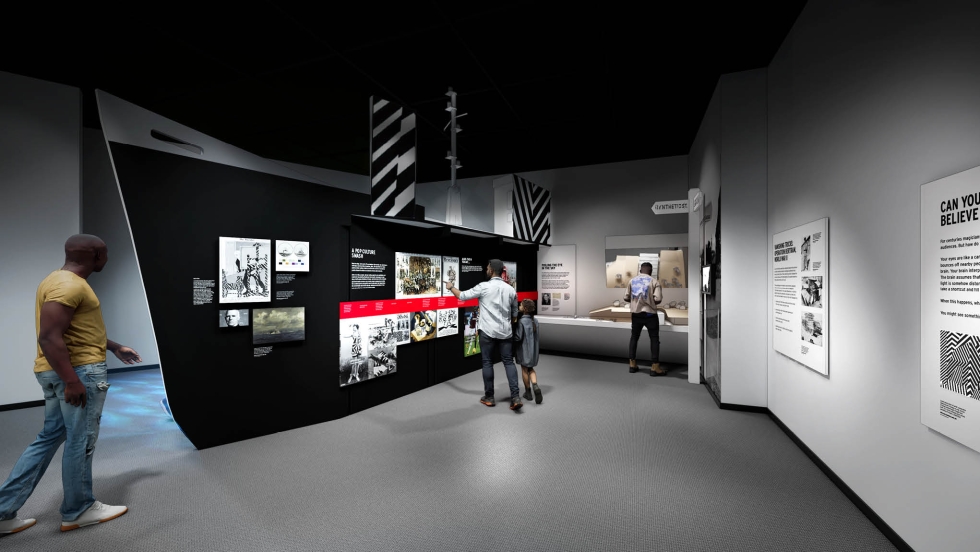
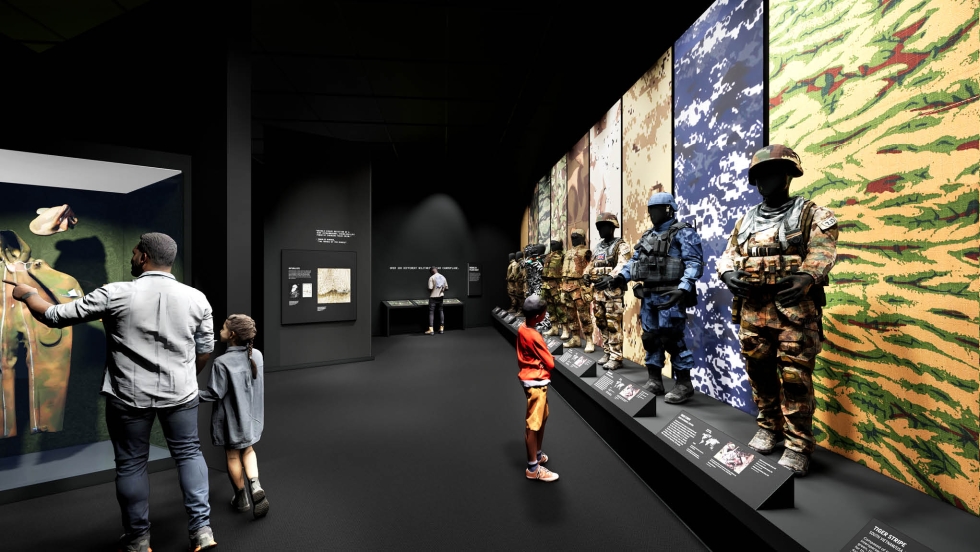
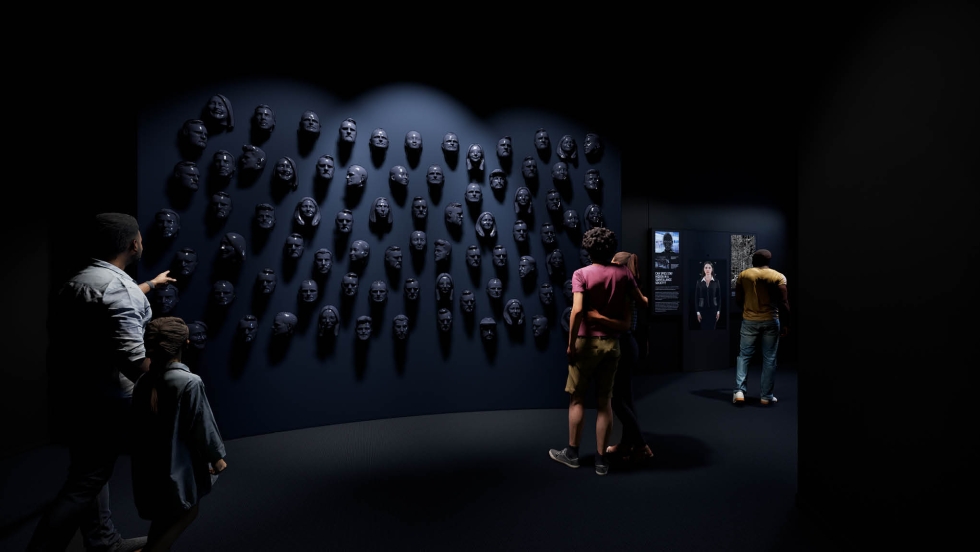
How do you conceal the unconcealable? Can your eyes be so fooled by unusual and unexpected shapes, sizes, and shadows that you miss something right in front of you? Distort camouflage — also called disruptive camouflage — tricks your vision by making ships, aircraft, and structures so unreadable that they can seem invisible.
Discover the fascinating history of dazzle camouflage. Norman Wilkinson’s bold tactic that took the world by storm during WWI. Learn how this striking pattern confused enemy submarines, boosted morale, and became a staple in art and fashion.
History & Military Operations
During the early 20th century, as tensions escalated globally and World War I began, the Allied Powers needed a radical solution to outmaneuver the Central Powers. In 1917, Norman Wilkinson, an English marine and painter, conceived a new idea while working on submarine patrol. The solution was unexpected: instead of blending in, he proposed a bold new camouflage was developed that used disruptive shapes and vibrant contrasts to confuse enemy observers and obscure a ship’s position. This striking approach became known as dazzle camouflage.
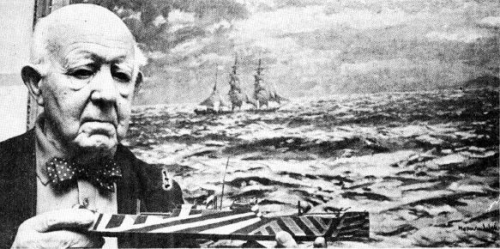
Norman Wilkinson (1878-1971)
Wilkinson’s complex design employed zigzag patterns and high contrast, achieved by using black and white, to distort a ship’s shape and direction. The pattern began appearing on British warships in that same year, with each one having a unique design painted by Wilkison and his team of camoufleurs. The goal wasn’t invisibility, it was confusion. If a German U-Boat could not accurately gauge a ship’s speed or direction, the torpedoes were far less likely to hit.
The British government was so committed to the effort that it requisitioned the famous Walmer Castle steamship. A year later, the United States followed suit in 1917, when it recruited artists and artisans to form Company A, 40th Engineers — the US Army’s first dedicated camouflage unit. With the pattern now being seen on both sides of the Atlantic, the dazzle ships became more than just a military tactic; they became a spectacle.
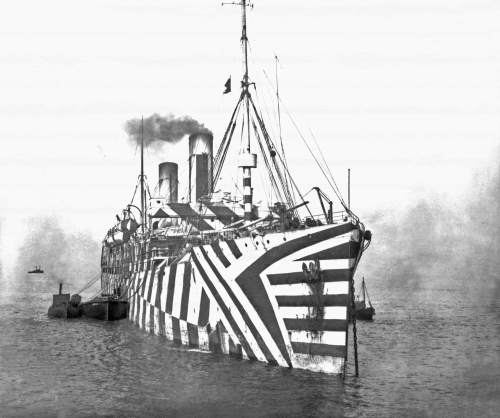
The Walmer Castle | Credit: Alamy
Camouflage: Designed to Deceive Special Exhibition
Today, the remarkable story of dazzle camouflage and its vibrant legacy comes alive at SPY’s upcoming exhibit, Camouflage: Designed to Deceive, opening to the public on March 1, 2026. Visitors can immerse themselves in the art, history, and cultural impact of this extraordinary wartime innovation as well as experience many other dazzling feats of distortion.
Explore the Exhibit